Crochet Yarn Christmas Tree PNG 6 Review
As a designer who spends more time than I care to admit staring at stitch density charts and testing thread tension, I approach every new digital asset with a healthy dose of skepticism. The market is flooded with generic holiday clipart, so finding a design that actually translates well into a tangible embroidery project is rare. That is exactly why I pulled Crochet Yarn Christmas Tree PNG 6 from the Illustrations category for a serious trial run. I wanted to see if this file could survive the transition from a flat screen to a real-world finished product, specifically for my own small business inventory.
The First Impression: Mood and Visual Personality
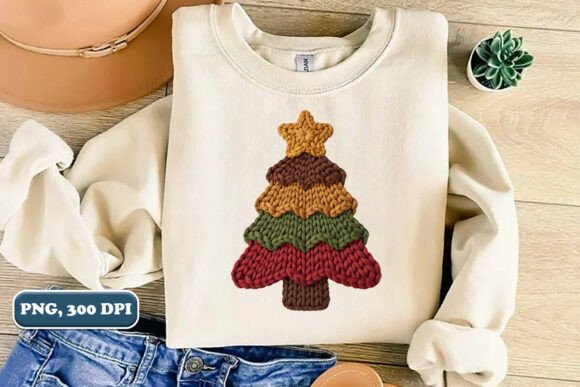
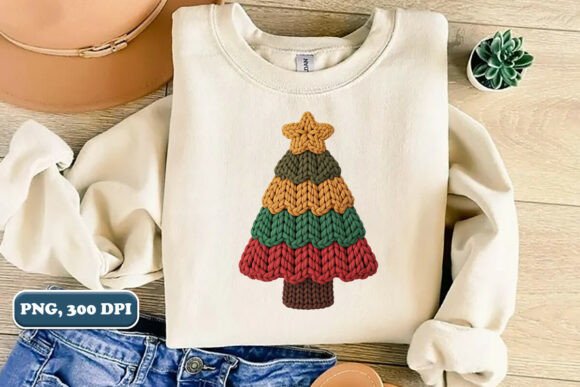
When you first load the file, the immediate takeaway is warmth. Unlike the stark, geometric modern trees often seen in contemporary decor, this design leans heavily into a cozy, nostalgic aesthetic. The visual personality suggests a handcrafted origin, mimicking the texture of yarn wrapped around a form. For an embroidery artist, this is crucial because it sets expectations for the viewer before they even touch the fabric.
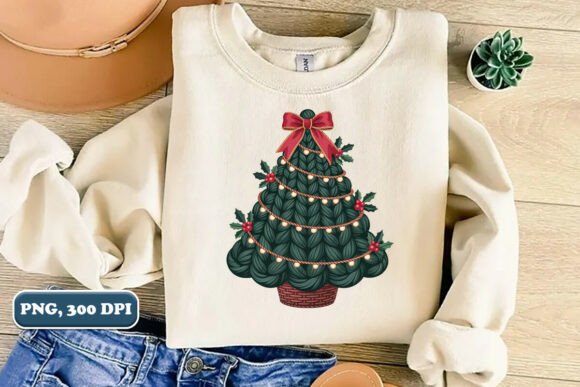
The layout is clean, which is a relief. Too many holiday designs get cluttered with excessive snowflakes, ribbons, or ornaments that turn into muddy blobs when stitched down. This tree stands on its own, offering a strong central focal point. It feels like a custom apparel piece rather than a decorative afterthought. It has that "hygge" vibe that performs exceptionally well during the winter season, making it an ideal candidate for holiday embroidery collections aimed at customers seeking comfort and tradition.
Real-World Application: Where Does It Shine?
I decided to test this design in two very different scenarios to gauge its versatility. The first was a classic tote bag design scenario using a heavy cotton canvas. The second was a softer, fleece-lined hoodie intended as a personalized gift. Here is how the design held up in both contexts.
- Apparel and Sweatshirts: On a sweatshirt, the design acts as a statement piece. Because the theme is inherently soft (yarn), it pairs beautifully with textured fabrics like fleece or jersey. It doesn’t fight against the material; instead, it complements it. For an Etsy seller looking to create best-sellers, this is a safe yet stylish bet. It fits perfectly into the sweatshirt embroidery niche without feeling dated.
- Home Decor and Kitchen Textiles: I also mocked this up mentally for tea towels and aprons. The vertical orientation of the tree works well here. When used as a kitchen towel design, it adds a festive touch that isn’t overwhelming. It’s subtle enough to remain functional but distinct enough to serve as a conversation starter during the holidays.
- Baby and Nursery Items: This is perhaps the strongest use case. The rounded, yarn-like shape is gentle and non-threatening, making it perfect for baby embroidery. Think onesies, burp cloths, or nursery wall hangings. The design conveys safety and love, which are key emotional drivers for parents buying gifts.
Technical Execution and Stitching Clarity
Translating a PNG concept into a machine-readable format requires careful consideration of stitch types. While I am reviewing the visual asset, I must evaluate how it would likely be digitized for optimal results. A design like this relies heavily on fill stitch to mimic the bulk of the yarn, potentially accented by running stitch or satin stitch for definition along the edges.
The success of this machine embroidery design hinges on stitch density. If the fill is too dense, the "yarn" will look stiff and plastic-like, losing the handmade charm. If it is too sparse, the background fabric will show through, creating a patchy appearance. In my experience, designs with this level of textural intent require a high-quality stabilizer to prevent puckering, especially on stretchy knits. The reviewer must ensure the underlying digitization supports the visual weight of the image.
Another critical factor is thread color contrast. The design assumes a certain level of contrast between the tree body and the background. On light fabrics, darker threads will pop, enhancing the silhouette. On dark fabrics, lighter threads might be necessary, but one must watch out for the "grin" effect where the fabric shows through thin stitches. Always test your thread colors against your actual production fabric, not just the digital preview.
Where to Exercise Caution
No design is universally perfect, and there are specific scenarios where Crochet Yarn Christmas Tree PNG 6 might struggle. I recommend avoiding this design on highly textured fabrics like boucle or thick wools, as the embroidery details may get lost in the nap of the material. Similarly, on thin or stretchy fabrics, the structural integrity of the design could fail if proper stabilizer techniques are not employed.
Small hoop sizes present another challenge. If you attempt to scale this down too much, the intricate details that give the tree its character will disappear. Tiny lettering or delicate accents may become illegible or prone to breaking. Additionally, curved surfaces like baseball caps can distort symmetrical designs. While possible, it requires advanced hooping skills to keep the tree upright and undistorted. For beginners, flat surfaces like tote bags, pillows, and garments are far safer bets.
Impact on Brand and Customer Trust
In the world of craft business and small shop products, presentation is everything. A well-executed embroidered patch or garment signals professionalism. Using a cohesive design like this helps maintain brand consistency across your design assets. When a customer sees a polished, clearly defined tree on a high-quality item, their trust in your craftsmanship increases.
This design also enhances giftability. Holiday shoppers are often overwhelmed by choices. A design that clearly communicates "cozy," "festive," and "handmade" cuts through the noise. It appeals to buyers looking for commercial embroidery items that feel personal. Whether it’s a boutique branding effort or a standalone printable mockup for online sales, the visual appeal drives engagement.
Practical Designer Notes for Final Use
Before committing to mass production or listing this as a digital embroidery file, follow these essential steps:
- Test on Scrap Fabric: Never assume the digital preview matches the physical result. Stitch the design on the exact fabric and stabilizer you plan to use.
- Check Black and White Mockups: Convert the design to grayscale to ensure there is enough contrast for the eye to distinguish the shapes.
- Inspect Small Details: Zoom in on the final output. Are any lines too thin? Will they break during trimming?
- Confirm Licensing: If you intend to sell finished items, verify the commercial use rights. Even if the source is labeled under Illustrations, usage terms vary widely.
- Review Hoop Size: Ensure the design fits comfortably within your standard hoops to avoid unnecessary re-hooping.
Ultimately, Crochet Yarn Christmas Tree PNG 6 is a strong contender for anyone looking to add a touch of warmth to their holiday lineup. It balances aesthetic appeal with practical usability, provided the technical execution is handled with care. For the savvy creative entrepreneur, this design offers a reliable foundation for creating memorable, high-value handmade products.